
Celebrating My Pamana - Filipino Heritage + Pride
Filipino American History Month: California Roots, a Living Legacy
Every October, Filipino American History Month invites us to recognize the people, communities, and contributions that have helped shape our nation. For those of us in California, that history has a particularly meaningful connection to the places we call home.
From the shores of Morro Bay to the agricultural communities of the Central Valley, California holds important chapters of the Filipino American story. Learning about them offers a deeper understanding of the heritage we celebrate and the responsibility we share to carry these stories forward.
Why October 18 Matters
On October 18, 1587, Filipinos described in historical records as “Luzones Indios” came ashore from the Spanish galleon Nuestra Señora de Esperanza in what is now Morro Bay, California. This event marks the first recorded Filipino presence in the continental United States, centuries before California became a state.
That date is the reason October was chosen for Filipino American History Month. First celebrated in 1992 through the work of the Filipino American National Historical Society, the observance received recognition from the U.S. Congress in 2009.
As we mark October 18, we have an opportunity to look beyond a single moment of arrival and learn about the generations who followed.
Building Community in California
In the early twentieth century, Filipino migrants helped sustain California’s agricultural industry while building lives far from their families and homeland.
Stockton became an important gathering place. Its Little Manila neighborhood grew into a thriving Filipino American community, becoming home to the largest Filipino population outside the Philippines by the 1930s. It was a place where people could find connection, establish roots, and build a shared sense of belonging.
These early labor migrants are often remembered as the manong generation. Meaning “older brother” in Ilocano, manong became an affectionate way to honor the men whose work and perseverance helped create a foundation for future generations.
Their stories remind us that history lives in everyday acts: earning a living, helping a neighbor, maintaining traditions, and creating community in an unfamiliar place.
Filipino Leadership in the Fields
California also holds an essential chapter in Filipino American labor history.
In 1965, Larry Itliong and the Agricultural Workers Organizing Committee led approximately 1,500 Filipino farmworkers in a strike against grape growers in and around Delano, California. Their organizing helped bring national attention to farmworkers’ demands for better pay and working conditions.
The mostly Latino National Farm Workers Association joined the strike, and the two organizations later merged in 1966 to form the United Farm Workers Organizing Committee. Delano’s Filipino Community Hall became a shared gathering place and strike kitchen, a practical expression of solidarity across communities.
Remembering this history means recognizing Filipino workers as leaders whose courage and collective action helped change the conditions of their labor.
Carrying the Story Forward
Honoring Filipino American history begins with making time to learn it.
We can seek out the stories of early communities, recognize leaders whose contributions deserve greater attention, and support organizations preserving these histories. We can also make room for conversations between generations, allowing memories and experiences to become part of our shared understanding.
California’s Filipino American story offers many ways to begin. Each chapter helps us see the people behind the history more clearly.
Honoring My Pamana Through M+M
As a Filipina American, I carry a deep pride in my heritage and a desire to honor it through the work I do.
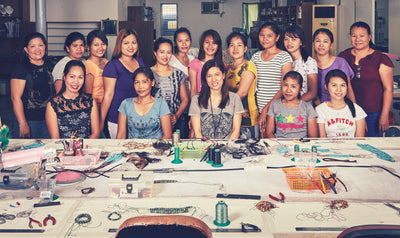
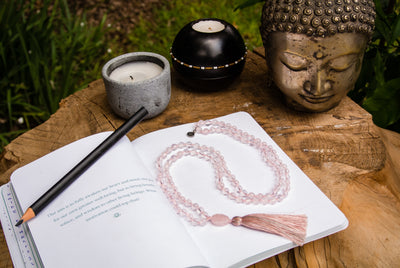
At Mala + Mantra, that commitment takes shape through our partnership with the talented Filipina artisans who handcraft our mala bead jewelry in the Philippines, my parents’ homeland. Their skill, creativity, and care are essential to every piece they make.
Supporting their work is one way I honor my pamana, my heritage and the legacy entrusted to me. It is a connection between my roots and my purpose, expressed through an ongoing commitment to the women behind M+M.
This Filipino American History Month, I invite you to learn a little more, celebrate the stories that connect us, and appreciate the hands helping carry our heritage forward.
With pride + gratitude,
JPC
Judith Perez Compton
M+M Founder + Creative Director